
Forge Atlanta: What This Massive Downtown Project Signals for the City
New Developments Mellanda Reese December 25, 2025
New Developments Mellanda Reese December 25, 2025
Forge Atlanta is one of the largest redevelopment announcements Downtown has seen in years — not just because of its scale, but because of where and when it’s happening.
As cities nationwide continue to rethink urban cores post-pandemic, Atlanta is once again betting on density, transit access, and mixed-use development to revive Downtown. With land secured and early approvals in place, Forge is no longer a conceptual idea — it’s officially on the city’s development radar.
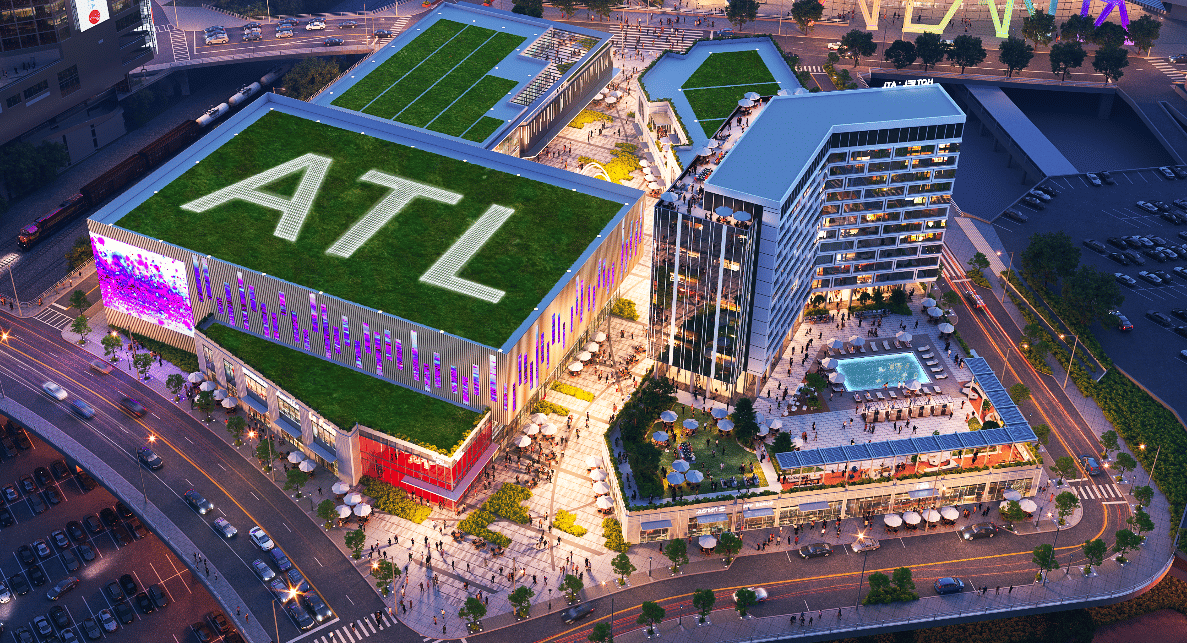
Forge Atlanta is planned for a 10-acre site at Ted Turner Drive and Whitehall Street, directly south of Centennial Yards and steps from major Downtown anchors like Mercedes-Benz Stadium, State Farm Arena, and the Garnett MARTA station.
The site sits at a critical junction connecting Downtown, Castleberry Hill, and South Downtown — an area long discussed as a redevelopment opportunity, but slow to see projects of this scale move forward.
Forge Atlanta is being led by Webstar Technology Group through its development arm, Forge Atlanta Asset Management, with a team that includes national engineering, architecture, and construction firms.
Local and regional stakeholders are also involved, including Develop Fulton, which approved a significant incentive package tied to job creation and economic impact benchmarks.
This isn’t a one-off proposal — it’s a coordinated effort with public-sector buy-in.
The first phase alone is substantial:
~600 for-sale condominiums
A 300-room hotel
~60,000 square feet of retail and entertainment
Public plazas and pedestrian corridors
Phase One represents an estimated $756 million investment, with projections of more than 2,100 construction jobs and roughly 900 permanent jobs once operational.
Over time, Forge Atlanta could grow to 8.4 million square feet, with entitlements allowing even more flexibility depending on market conditions.
Future phases may include:
Additional residential towers
Office and creative space
Cultural venues and public green space
Potential workforce and affordable housing components
For scale, this would place Forge among the largest mixed-use developments in Atlanta’s history.
Develop Fulton approved an incentive package valued at up to $224 million, tied to performance benchmarks around job creation and economic output. Total projected economic impact is estimated at $7.37 billion over time.
As with many large-scale urban projects, public incentives are part of the equation — and how those benefits materialize locally will be closely watched.
Forge is planned as a true mixed-use district, not a single-purpose development. Design priorities include:
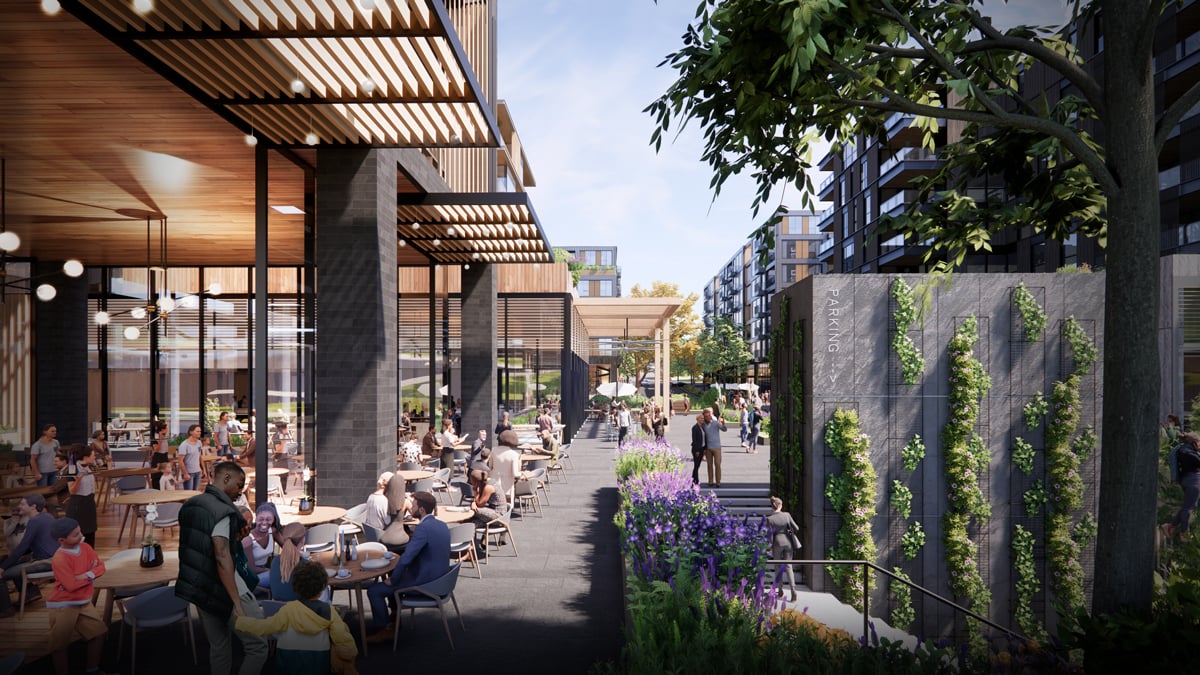
Walkable streetscapes
Active ground-floor retail
Integrated public spaces
Transit-oriented access via MARTA
The goal is to create a neighborhood that functions throughout the day, not just during events or office hours.
Because of its footprint, Forge Atlanta has direct implications for nearby neighborhoods — especially Downtown and Castleberry Hill.
Project leaders have stated commitments to community engagement and public-space investment, with an emphasis on connecting surrounding neighborhoods rather than isolating the site as a standalone complex.
How that plays out over time will matter as much as the buildings themselves.
One of Forge Atlanta’s more unusual elements is its exploration of blockchain-based participation models, including regulated digital asset structures alongside traditional financing.
While conventional real estate funding remains central, developers say these tools are intended to increase transparency and broaden participation — subject to regulatory oversight.
This component is still evolving and will be worth monitoring as details emerge.
Final financing structure
Community engagement outcomes
Timeline clarity heading into 2026
How surrounding neighborhoods respond in pricing, demand, and development activity
Forge Atlanta isn’t just another Downtown proposal — it’s a signal that large-scale investment interest is returning to Atlanta’s urban core, even in a more cautious market.
Whether it becomes a transformative success will depend not just on size, but on execution, community impact, and how well it integrates into the neighborhoods around it.
This is one to watch closely.
Stay up to date on the latest real estate trends.
New Developments

Atlanta News
How the new tax bill affects your mortgage, property taxes, and home buying decisions
Atlanta News
Atlanta News

Atlanta News
Atlanta News
Affordable Housing

There are various loan options for qualified buyers with down payments as low as 3.5% or even no down payment requirement.

Selling a house involves a bunch of paperwork and legal documentation that has to be just right.
When you choose to work with Mellanda Reese, you’re not just hiring a real estate agent; you’re partnering with a dedicated professional who prioritizes your goals. With a wealth of experience, innovative strategies, and a passion for helping clients, we ensure a seamless and rewarding experience from start to finish.